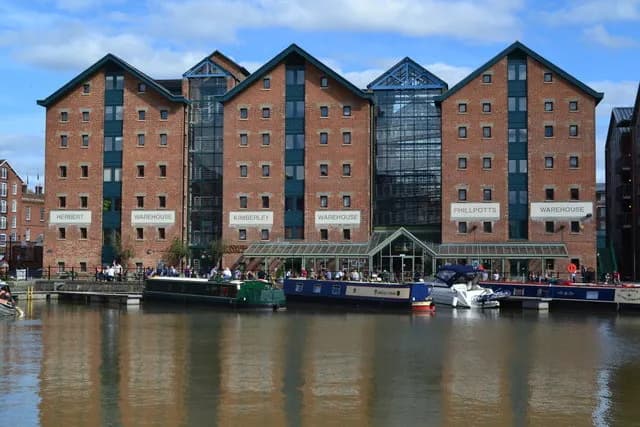
Gloucester Docks stands as one of Britain's most significant inland port complexes, offering residents and visitors alike a window into the city's industrial past alongside contemporary attractions. This guide explains what to expect when exploring the docks and highlights the key features that make this area worth a visit.
The Historic Warehouses
The docks are dominated by fifteen Victorian warehouses, constructed primarily during the nineteenth century when Gloucester served as a vital hub for the shipment of goods between the Midlands and the wider world. These imposing brick structures, many with their original architectural features intact, once stored corn, timber, and wines imported from across Europe. Today, several have been converted into residential apartments, offices, and museum spaces, preserving their external character whilst adapting the interiors for modern use.
The Canal and Basin System
At the heart of the docks lies the main basin, connected to the Gloucester and Sharpness Canal. This waterway, opened in 1827, allowed larger vessels to bypass the tidal and winding River Severn, transforming Gloucester into a significant inland port. The canal remains navigable today, and visitors can observe narrowboats and historic vessels moored along the quays. The National Waterways Museum, housed within the docks, provides detailed exhibitions on the engineering and social history of Britain's canal network.
Attractions and Amenities
The docks area offers several points of interest beyond the waterways themselves. The National Waterways Museum occupies two of the historic warehouses, displaying artefacts, photographs, and interactive exhibits that document the working lives of those who operated the canal system. An antique centre occupies another warehouse, drawing collectors and browsers to its multi-dealer halls.
Several restaurants, cafes, and public houses operate within the docks quarter, many occupying converted warehouse spaces with views across the water. These establishments range from casual dining options to more formal restaurants, providing ample choice for visitors spending a half-day or longer in the area.
Practical Information
The docks are located a short walk from Gloucester city centre, accessible via the pedestrian routes connecting to the railway station and bus interchange. Parking is available at several locations surrounding the docks complex, though visitors arriving by public transport will find the area equally convenient to reach.
The National Waterways Museum operates seasonal opening hours, and admission charges apply. The external dock areas, including the quays and towpaths, remain accessible to the public without charge throughout the year. Visitors are advised to wear sensible footwear, as the historic cobbled surfaces can be uneven in places, particularly during wet weather.